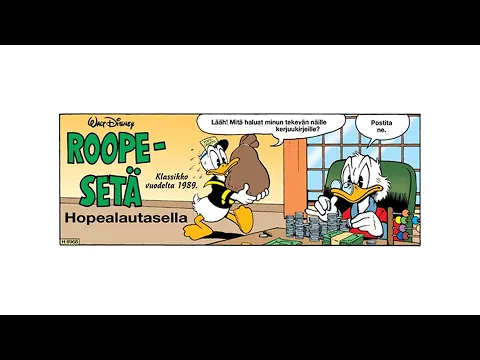
Donald Duck: from comic to vivid audiovisual experience
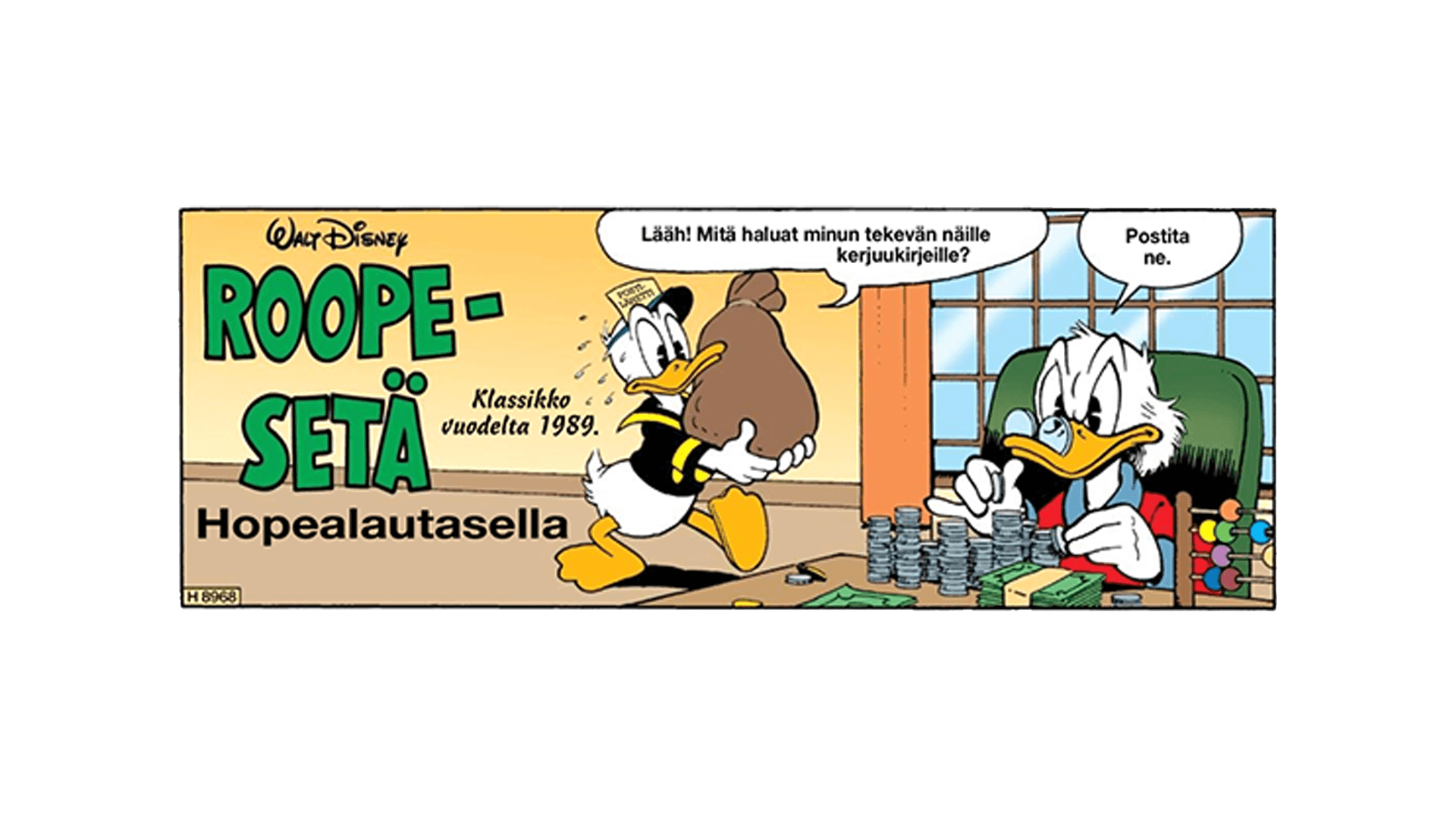
Earlier in the spring, my group were given an assignment to create an “audio landscape” based on the shared comic from the Donald Duck magazine.
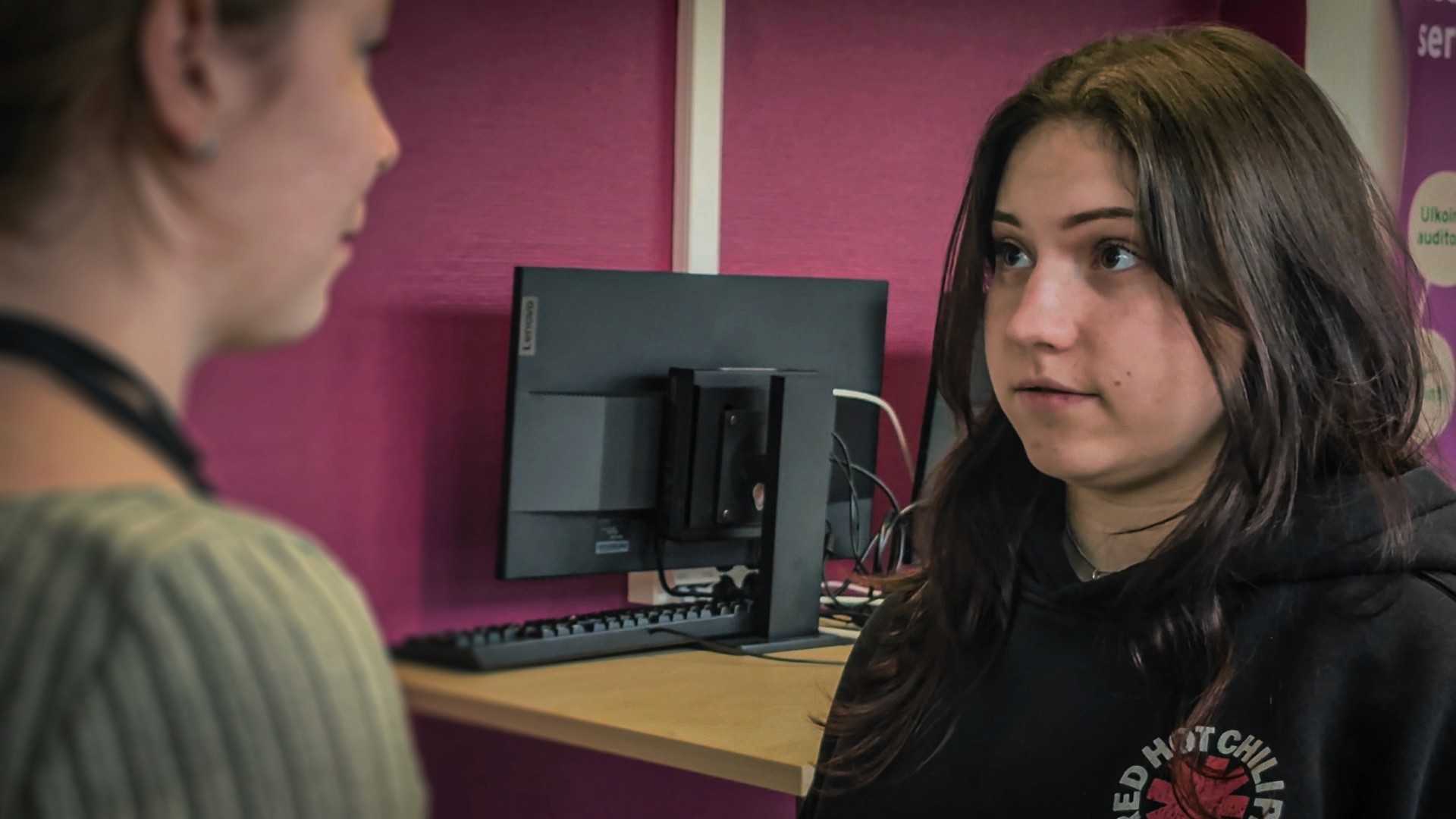
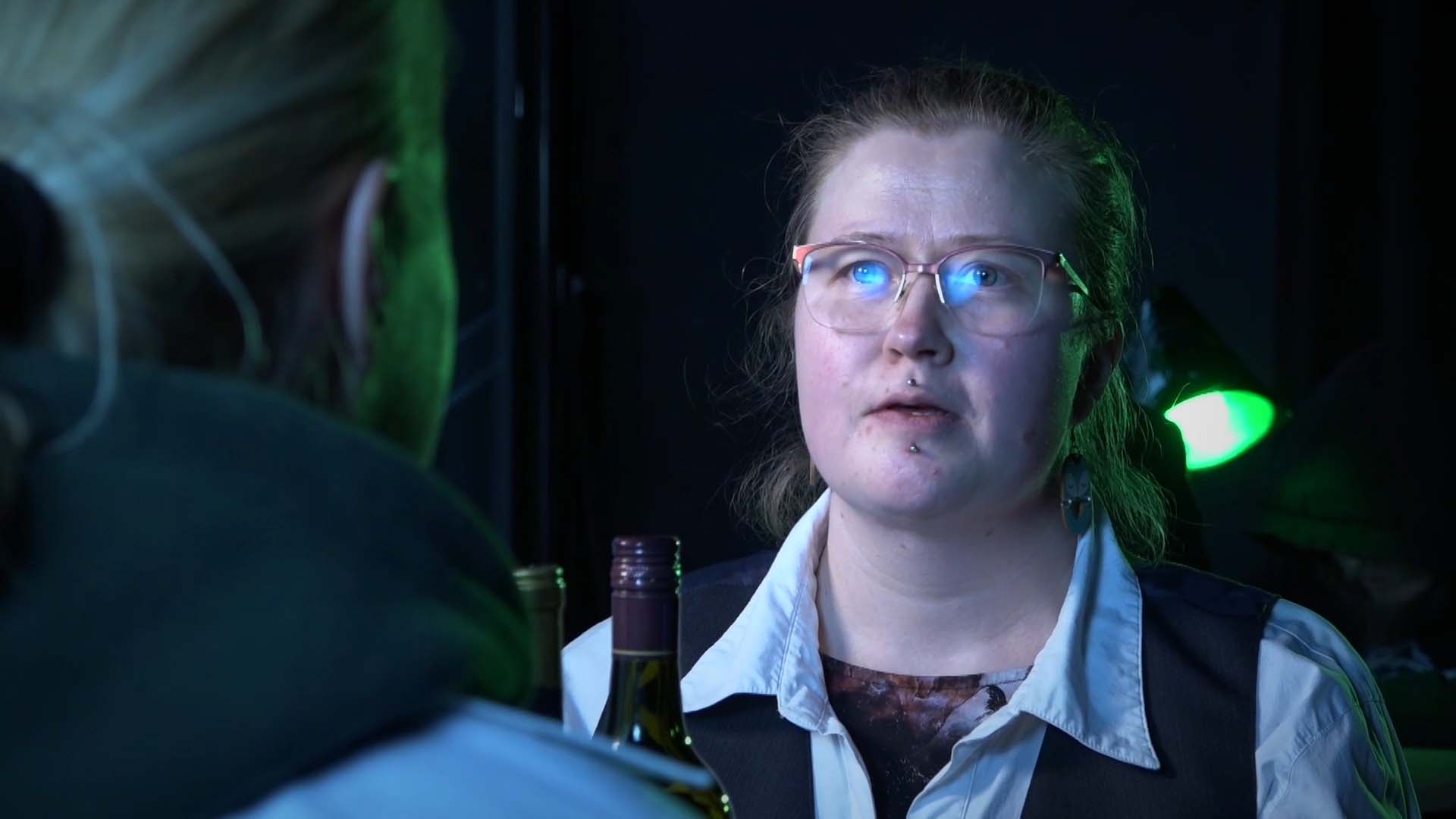
My group consisted of the following students: Ronja, Amon and I.
Practically this meant that we had to, in fact, create the audio for the comic, essentially the following:
Plan and create the production plan
This includes what sounds and in which scene (or comic strip) is heard. Is it dialectic or non-dialectic sound (sounds that you can or cannot see), does it include speech (from the speech-bubbles). We also decided on who will be on each role.
Then came the part to choose our equipment and the list was as follows:
1. Microphone for recording the voice overs: Neuman TLM 103
Neuman’s TLM 103 is a high quality, premium capacitor microphone that produces pristine, crystal-clear audio, hence why it was an automatic, top choice for the voice-overs.
2. Microphone for recording other audio: Oktava MK-012
The Oktava’s MK-012 capacitor microphone was also a solid choice for recording, but this one was mostly used to record foley and other background ambiences.
The microphone was connected to a TASCAM DR-40 through an XLR-cable for on-the-go use, meaning we wouldn’t be stuck just inside the studio for the audio.
Because the microphone was a capacitor, it also produced clear and pristine audio and what made it even more interesting to use was its interchangeable microphone heads (or plates, as the manufacturer would refer) to choose the polar pattern for each use case, and we chose the cardioid pattern to get as precise audio and feel of location as possible.
3. The Digital Audio Workstation (DAW): Avid Pro Tools
This was actually already decided on us by the teacher, because in the media-industry, most of the media workplaces and studios utilize Avid’s software and is useful, if not actually helpful and crucial to learn if you want to make it in the industry.
Also, after the work was done, we had to render (or bounce, in Avid’s terms) the final mix and master as a 48kbs, 24-bit .wav-file, because it’s lossless and has more detail per each sample.
After creating a well-done plan, it is much easier to execute it and allows space to create new, unplanned ideas along the way if things do go south with the initial one.
Executing the production plan
When we had the plan ready, it was finally time for the actual work to begin. We took the equipment we needed from the list above, headed right into the studio and started the work with the voice overs.
Now, we initially planned that each one of us would participate in voice over recording, but as in anything in media-industry, plans change, and it wasn’t any different this time around. For one, one person in our group had become absent due to personal reasons which meant our initial casting for the roles in the comic changed from three voice actors only to two, and those being Ronja and I.
I played the roles of Donald Duck and one of the police men and Ronja Uncle Scrooge and the other police man.
Voice Overs and acting
Because I had warmed up myself to recording my own voice earlier in the spring for my own Podcast work as part of the SakuStars 2026 pre-series (and having to learn to tolerate it because it lives with you the whole time you’re alive), I had to start getting used to it and love it.
My initial attempts were played safe, almost too casually even. But my intuition said I can do better, I want to do better, so I told Ronja to retake my voice-overs the day after as I became more warmed up to the whole project and the safety of the environment.
My plan for the second take was to find my inner Donald Duck and imitate his voice as closely as possible, while giving me some creative space to find my unique version of him. And this time, it sounded far better, if not actually like him, in my opinion.
And because Amon and I participated in this year’s SakuStars 2026 Live competitions at Tampere, most of the work unfortunately fell onto Ronja’s shoulders.
After asking our ATT-teacher for the assignment, we were given permission to half the work (from the total pages of 4) from the comic only to two. This halved the amount of recording and editing we were going to execute which she did most of the week, so I don’t really have anything to say about the post process.
Ronja and I recorded all the foley sounds in one day as the deadline to finish this project was already nearing in. I did, however, do some minor tweaks here and there and maybe added little reverb effects to give the feeling of the space. (though VERY minor)
All in all, even though we did half of the work we were given, it was a fun little exercise to see and do what it is like to plan and execute a whole audiovisual experience.
What did I learn?
Plan and execute an audio production in collaboration with other students and how to express your ideas and feedback constructively.
Points to improve:
Learn Pro Tools (knowledge through FL Studio useful to apply on it)
Voicing ideas and feedback